
As industries worldwide continue to modernize equipment, digitize operations, and expand automated systems, the need for reliable, cost-effective mechanical security solutions remains as strong as ever. Among the most widely used and trusted locking mechanisms are flat key cam locks—simple in design yet highly versatile in application. From electrical cabinets and vending machines to industrial enclosures, lockers, and office furniture, flat key cam locks play a critical role in safeguarding assets, ensuring access control, and supporting long-term operational reliability.
This article explores the growing relevance of flat key cam locks, examining their design principles, materials, applications, manufacturing standards, market trends, maintenance considerations, and future outlook in an evolving security landscape.
A flat key cam lock is a mechanical locking device that uses a flat, notched key to rotate a cam (a flat metal tailpiece) which engages or disengages with a locking surface. When the key is turned, the cam rotates behind a panel or frame, either securing or releasing the door, drawer, or enclosure.
Despite their straightforward construction, cam locks are valued for their ease of installation, compact size, affordability, and dependable performance. Flat key versions are especially popular due to their simple key profile, ease of duplication, and compatibility with standardized locking systems.
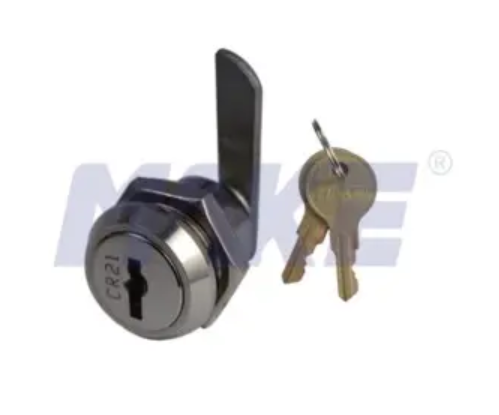
A typical flat key cam lock consists of several core components:
- Lock cylinder – houses the pin tumbler mechanism
- Flat key – engages the pins to allow rotation
- Cam (tailpiece) – rotates to lock or unlock
- Nut or clip – secures the lock body to the panel
- Washer and spacer options – ensure proper fit
When the correct flat key is inserted, the pins inside the cylinder align, allowing the lock plug to rotate. This rotation turns the cam, which either blocks or clears the locking surface.
Flat key cam locks are mechanically simple, which translates to high reliability and long service life. With fewer moving parts than complex locking systems, they are less prone to failure and require minimal maintenance.
Compared to electronic or high-security locking systems, flat key cam locks offer an economical solution for applications where basic access control is sufficient. This makes them ideal for large-scale installations involving hundreds or thousands of locking points.
Most flat key cam locks can be installed using a single mounting hole and basic tools. This allows manufacturers and installers to integrate them quickly into cabinets, panels, and enclosures without specialized training.
Flat key cam locks are manufactured from a range of materials depending on performance requirements:
- Zinc alloy – widely used for general-purpose applications
- Brass – offers improved corrosion resistance and smooth operation
- Stainless steel – preferred for outdoor, marine, or harsh industrial environments
The choice of material affects durability, corrosion resistance, and overall lifespan.
To enhance appearance and environmental resistance, cam locks are often available with various finishes, including:
- Chrome-plated
- Nickel-plated
- Black powder-coated
- Natural stainless steel finish
These finishes help protect the lock from wear, oxidation, and exposure to moisture or chemicals.
Each lock operates with a unique key. This option is suitable where individual access control is required, such as personal lockers or tool cabinets.
Multiple locks operate with the same key, simplifying access for maintenance personnel or facility managers.
Some flat key cam lock systems support master keys, allowing supervisory access while maintaining individual lock security.
While flat key cam locks are not designed for high-security applications, they provide adequate protection against casual tampering and unauthorized access in most commercial and industrial settings.
Flat key cam locks are extensively used in electrical cabinets, control panels, switchgear, and junction boxes. They help protect sensitive components while allowing quick access for authorized technicians.
In vending machines, ticketing kiosks, and self-service terminals, cam locks secure cash compartments, product storage areas, and service panels. Their compact design fits well into limited spaces.
Filing cabinets, desks, lockers, and storage units commonly rely on flat key cam locks for everyday security in offices, schools, and commercial buildings.
Cam locks are used in vehicle toolboxes, service compartments, RV storage doors, and public transport equipment, where durability and vibration resistance are important.
Reputable manufacturers follow strict quality control procedures to ensure consistent performance, including:
- Precision machining of lock cylinders
- Smooth pin alignment for reliable key operation
- Torque and cycle testing for durability
- Corrosion resistance testing for plated or stainless components
Many cam lock manufacturers operate under ISO 9001-certified quality management systems, ensuring repeatable production quality for large-volume orders.
The global expansion of industrial automation, electrical infrastructure, and telecommunications equipment continues to drive demand for cam locks. Every enclosure, cabinet, or panel requires a dependable locking solution, making flat key cam locks a foundational component.
OEM customers increasingly request custom cam lengths, cylinder sizes, mounting styles, and branding options. Manufacturers are responding by offering tailored cam lock solutions to meet specific design and performance requirements.
While electronic locks are gaining attention, mechanical cam locks remain essential due to their independence from power sources, low cost, and proven reliability. Many systems use cam locks alongside electronic access controls for layered security.
Proper installation of flat key cam locks is essential to ensure their optimal performance, security, and long-term durability. Even a high-quality lock can underperform or fail prematurely if not installed correctly. The first step is selecting a cam length and rotation angle that matches the enclosure or panel design. An incorrectly sized cam can prevent proper engagement, compromise security, or cause interference with adjacent components.
Next, ensure the panel or door thickness is compatible with the lock body. Locks that are too short or too long may not mount securely, resulting in wobble, misalignment, or difficulty in turning the key. When fastening the lock, the mounting nuts or clips should be tightened to the manufacturer’s recommended torque. Over-tightening can damage the lock or panel, while under-tightening can allow movement that reduces security. After installation, it is critical to check that the cam rotates smoothly without binding or scraping against the panel, which can lead to wear over time.
Maintenance for flat key cam locks is generally minimal, making them ideal for high-use or industrial environments. Regular inspections help preserve performance: clean dust, dirt, and debris from the keyway to prevent sticking or jamming, and apply a light lubricant to the cylinder if operation feels stiff. Periodically inspect the cam and mounting hardware for loosening, corrosion, or physical damage. Ensuring that all components remain secure prevents misalignment and maintains reliable locking function.
With routine care and proper installation, flat key cam locks can provide years of dependable service, even in demanding or high-traffic environments. Following these guidelines not only extends the lifespan of the locks but also ensures that the security and convenience they provide remain consistent over time.
While flat key cam locks offer many advantages, they have limitations:
- Lower security compared to high-security or electronic locks
- Flat keys are easier to duplicate
- Not suitable for applications requiring audit trails or remote access control
As a result, they are best used where basic physical security is sufficient.
Despite advances in smart locking technologies, flat key cam locks are expected to maintain strong demand. Their role as a simple, durable, and economical locking solution ensures continued use across industries.
Future developments may include:
- Improved corrosion-resistant materials
- Enhanced pin designs for better pick resistance
- Greater customization for OEM applications
As industries balance cost, reliability, and security needs, flat key cam locks will remain a fundamental component of mechanical access control systems.
Flat key cam locks continue to serve as a cornerstone of mechanical security in industrial, commercial, and institutional environments. Their straightforward design, affordability, and versatility make them indispensable for securing cabinets, enclosures, vending machines, and storage units worldwide.
While they may not replace advanced electronic systems in high-security applications, flat key cam locks offer a practical, proven solution wherever dependable everyday security is required. As manufacturing and infrastructure development continue to expand globally, these compact locking devices will remain a trusted choice for years to come.