
In today's fast-evolving security landscape, mechanical locking systems continue to play a vital role in a wide range of applications, especially where simplicity, reliability, and cost-effectiveness are required. Among these solutions, the Mailbox Cam Lock stands out as one of the most widely used and trusted locking mechanisms for mailboxes, cabinets, lockers, and light-duty storage systems.
A mailbox cam lock is a compact mechanical lock designed to secure small enclosures such as mailboxes, filing cabinets, electrical enclosures, vending machines, and storage lockers. Despite the rise of electronic and smart locking systems, cam locks remain highly popular due to their straightforward operation, durability, and independence from electrical power sources.
Modern mailbox cam locks are manufactured using high-quality materials such as zinc alloy, brass, and stainless steel, ensuring long service life and strong resistance to corrosion and wear. Their simple structure and user-friendly design make them an ideal choice for both residential and commercial applications.
Unlike digital locks that require batteries, codes, or electronic authentication, mailbox cam locks operate entirely through mechanical key rotation. This makes them highly reliable in environments where power supply may be unstable or where maintenance resources are limited.
This article provides a comprehensive industry overview of mailbox cam locks, including their structure, working principle, material selection, key features, application scenarios, and advantages in modern security systems.
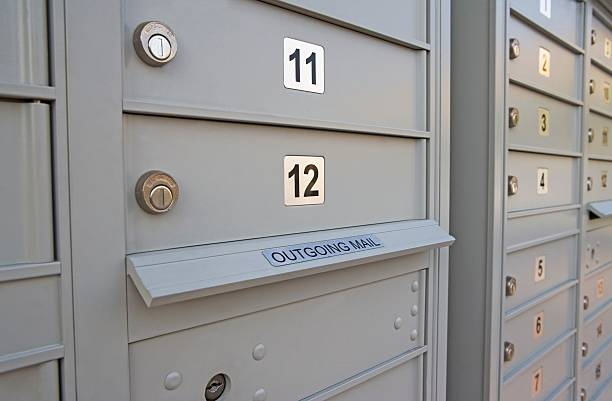
A mailbox cam lock is a type of mechanical lock that uses a rotating cam (a flat metal arm) attached to a cylindrical locking body. When the correct key is inserted and turned, the cam rotates, securing or releasing the locking mechanism.
The term "cam" refers to the rotating arm that engages with the locking surface inside the mailbox or cabinet. This simple yet effective mechanism allows for quick locking and unlocking with minimal effort.
Mailbox cam locks are widely used in:
- Residential mailboxes
- Apartment mailbox systems
- Office filing cabinets
- Storage lockers
- Electrical enclosures
- Coin-operated machines
- Retail display cabinets
Their compact size and universal design make them suitable for both new installations and retrofit applications.
One of the key factors determining the performance and lifespan of a mailbox cam lock is the material used in its construction. High-quality cam locks are typically manufactured using the following materials:
Zinc alloy is one of the most commonly used materials due to its excellent balance of strength, cost-efficiency, and corrosion resistance. It allows for precise die-casting, enabling complex lock body designs with smooth surfaces.
Brass cam locks offer superior corrosion resistance and durability, making them ideal for outdoor or humid environments. Brass also provides a premium appearance and long-term mechanical stability.
Stainless steel cam locks are designed for high-security and heavy-duty applications. They offer exceptional resistance to rust, corrosion, and physical wear, making them suitable for industrial environments.
The combination of these materials ensures that mailbox cam locks can withstand long-term use under various environmental conditions.
Although simple in appearance, a mailbox cam lock consists of several precision-engineered components that work together to ensure secure operation.
The lock cylinder is the core component where the key is inserted. Inside the cylinder are multiple tumblers that align only when the correct key is used.
Most mailbox cam locks use a 5-tumbler mechanism. These tumblers provide a basic yet effective level of security by preventing unauthorized key rotation.
The cam is a flat metal piece attached to the rear of the lock cylinder. When the key is turned, the cam rotates to lock or unlock the enclosure.
The outer housing protects the internal mechanism and ensures proper alignment when installed in a door or panel.
Mailbox cam locks typically use flat keys, which are simple to manufacture and easy to replace if needed.
The operation of a mailbox cam lock is straightforward:
- The key is inserted into the lock cylinder
- The internal tumblers align to allow rotation
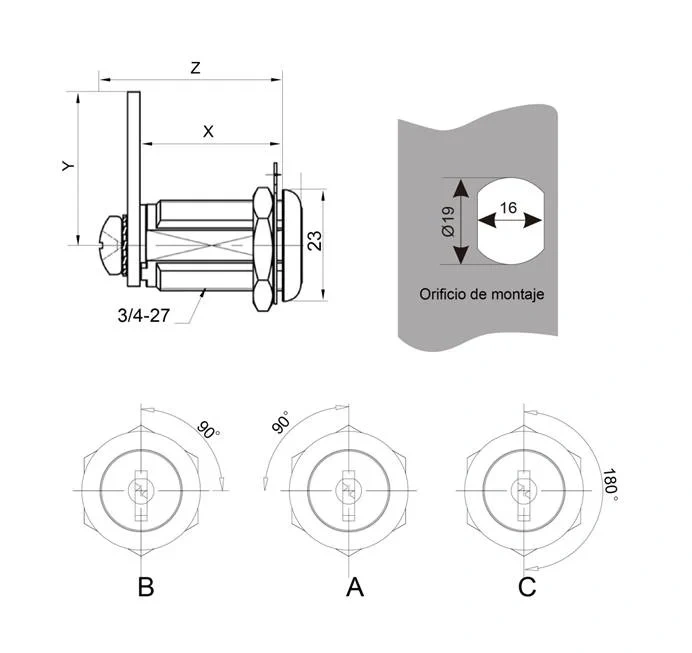
- The key is turned (usually 90° or 180°)
- The cam rotates behind the locking surface
- The lock is secured or released
This single-axis rotation system ensures quick and efficient operation without complex procedures.
Mailbox cam locks offer a range of features that make them suitable for diverse applications.
Most cam locks are equipped with a 5-tumbler system, providing a balance between security and cost-efficiency. This mechanism helps prevent unauthorized access while maintaining smooth key operation.
Mailbox cam locks can be configured in two main ways:
- Keyed Alike: Multiple locks operate with the same key
- Keyed Different: Each lock has a unique key
This flexibility allows users to choose based on operational needs. Keyed alike systems are often used in large-scale facilities, while keyed different systems are preferred for individual security.
Cam locks are available in various body lengths and cam configurations. This allows them to fit different door thicknesses and installation requirements.
Rotation options typically include 90°, 180°, or customized angles depending on application needs.
One of the biggest advantages of cam locks is their simple installation process. They can be quickly mounted onto panels or doors without specialized tools, making them ideal for both OEM manufacturers and end users.
Mailbox cam locks operate entirely through mechanical systems, requiring no electricity or battery power. This ensures continuous functionality even during power outages or in remote locations.
Modern cam locks are designed with sleek and polished finishes that complement a wide range of furniture and enclosure styles. Their compact design makes them visually unobtrusive while maintaining strong security performance.
Mailbox cam locks continue to be widely used due to their practical advantages in both residential and industrial applications.
With no electronic components, cam locks are highly resistant to electrical failure or software malfunction. Their mechanical simplicity ensures consistent performance over time.
Unlike electronic locks, cam locks require minimal maintenance. Occasional lubrication is usually sufficient to ensure smooth operation.
Cam locks offer an affordable security option without compromising basic protection needs, making them ideal for large-scale installations.
Their versatility allows them to be used in numerous industries, from residential mailboxes to industrial storage systems.
With materials such as zinc alloy, brass, and stainless steel, cam locks can withstand harsh environmental conditions, including humidity, dust, and temperature variations.
Mailbox cam locks are used in a broad range of industries and environments:
1. Residential Mailboxes
Secure personal mail and prevent unauthorized access.
2. Apartment Complexes
Provide standardized locking systems for multi-user mailbox units.
3. Office Furniture
Used in filing cabinets, drawers, and storage units.
4. Educational Institutions
Secure student lockers and storage compartments.
5. Retail and Commercial Equipment
Used in display cabinets, vending machines, and cash boxes.
6. Industrial Equipment
Provide access control for electrical panels and control boxes.
Mailbox cam locks are designed for easy integration into different panel types and thicknesses. They can be installed using a simple mounting nut system, allowing quick assembly in manufacturing environments or field installations.
Their standardized design also allows compatibility with a wide range of cam accessories and mounting configurations.
When selecting a cam lock, several factors should be considered:
- Material type (zinc alloy, brass, stainless steel)
- Security level (tumbler design and key system)
- Installation dimensions (length and cam rotation)
- Environmental conditions (indoor or outdoor use)
- Keying system (alike or different)
- Application type (residential, industrial, commercial)
Choosing the right specification ensures optimal performance and long-term reliability.
Although mechanical locks are a mature technology, the cam lock industry continues to evolve. Key trends include:
- Improved corrosion-resistant coatings
- Enhanced precision machining for better security
- Standardization for global compatibility
- Integration with hybrid mechanical-electronic systems
- Eco-friendly manufacturing processes
These developments ensure that cam locks remain relevant in a modern security landscape increasingly dominated by smart technologies.
Mailbox cam locks remain one of the most practical and widely used mechanical locking solutions in the global security market. Their simple structure, reliable performance, and cost-effectiveness make them an ideal choice for a wide range of applications.
With durable material construction, flexible configurations, and easy installation, they continue to serve as a trusted solution for mailboxes, lockers, cabinets, and industrial enclosures. As industries evolve, mailbox cam locks will maintain their importance as a foundational security component, combining traditional mechanical reliability with modern manufacturing precision.
