
In the world of modern furniture design and manufacturing, functionality, efficiency, and security are as important as aesthetics. Whether used in office cabinets, wardrobes, flat-pack furniture, lockers, or retail fixtures, hardware components play a crucial role in ensuring structural stability and user convenience. Among these components, furniture cam locks have become indispensable for both manufacturers and consumers seeking reliable fastening and locking solutions.
Furniture cam locks are compact mechanical locking devices designed to secure panels, drawers, or doors while maintaining a clean and unobtrusive appearance. Their simple yet effective design allows for quick assembly, easy operation, and dependable security, making them widely used in residential, commercial, and industrial furniture applications. As furniture production increasingly emphasizes modular construction, ready-to-assemble formats, and space efficiency, cam locks have evolved into a standard fastening system for modern furniture engineering.
This article explores the design, types, working principles, materials, applications, benefits, installation methods, industry trends, and future innovations related to furniture cam locks, offering a comprehensive understanding of their role in contemporary furniture systems.
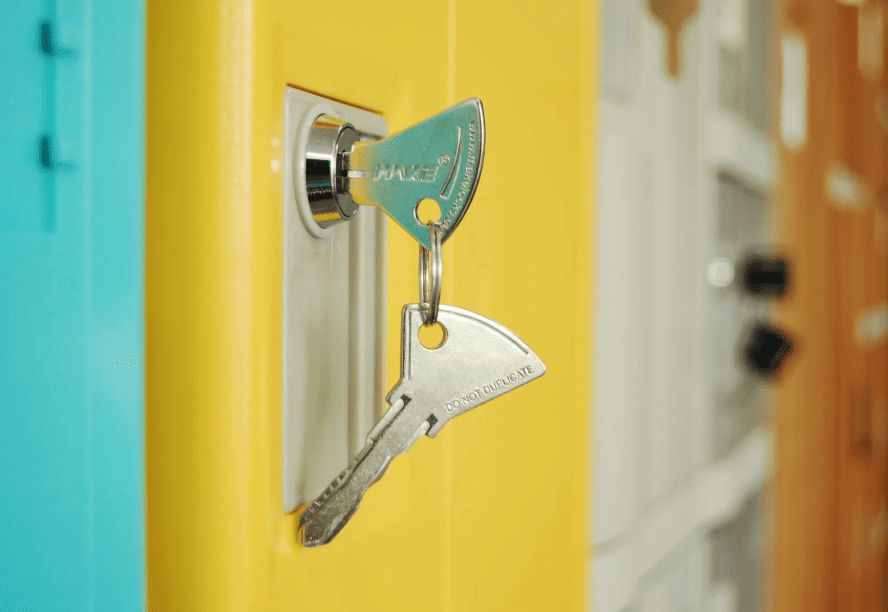
A furniture cam lock is a mechanical fastening and locking device consisting of two primary components:
Cam (rotating locking head)
Cam bolt or dowel (mating connector)
When assembled, the cam rotates inside a pre-drilled hole and pulls the mating bolt tightly into position, securing two furniture panels together. The locking mechanism is typically operated using a screwdriver, Allen key, or specialized tool, depending on design.
Cam locks are widely recognized for their use in flat-pack or knock-down furniture, where parts are shipped disassembled and later assembled by the user. Their design allows panels to be securely fastened without visible screws or external hardware, preserving a clean aesthetic.
Furniture cam locks operate using a simple mechanical principle: rotational tightening.
- Cam body: A circular metal housing installed in a drilled hole within one panel
- Cam bolt/dowel: A threaded connector installed in a second panel
- Locking groove: Internal groove in the cam that grips the bolt head
- Drive slot: External slot or socket for turning the cam
- The bolt is screwed into one panel.
- The cam is inserted into a matching hole in the second panel.
- The panels are aligned so the bolt head enters the cam housing.
- Turning the cam rotates its internal groove, pulling the bolt inward.
- This creates tension that clamps both panels tightly together.
This tension-based locking system ensures strong joints while allowing easy disassembly if needed.
Furniture cam locks come in various designs to suit different furniture structures and security requirements.
These are the most common type used in ready-to-assemble furniture such as cabinets, desks, and shelving units. They prioritize structural fastening rather than security.
These incorporate a key cylinder and are used where access control is required, such as:
- Office drawers
- Filing cabinets
- Lockers
- Display cabinets
They provide basic security while maintaining compact size.
Instead of keys, these locks use numeric combination dials. They are often used in public lockers, gyms, schools, or shared storage environments.
Designed for industrial or commercial furniture, these locks feature reinforced bodies, thicker bolts, and stronger materials to withstand higher loads and frequent use.
These specialized variants allow rapid assembly and disassembly without tools, commonly used in exhibition furniture, portable displays, and modular installations.
Material selection significantly affects the durability, corrosion resistance, and load capacity of furniture cam locks.
Common materials include:
- Zinc alloy: Widely used due to strength, corrosion resistance, and cost efficiency
- Steel: Provides high strength and load-bearing capability
- Stainless steel: Ideal for humid or corrosive environments
- Plastic or nylon components: Used in lightweight furniture or decorative applications
Surface treatments such as nickel plating, chrome plating, or powder coating enhance corrosion resistance and improve visual appeal.
One of the most significant advantages of cam locks is their ease of use. Furniture can be assembled quickly without specialized tools or professional assistance. This is especially valuable for flat-pack furniture shipped to consumers.
Despite their compact size, cam locks create strong clamping force that ensures stable joints. This strength helps furniture maintain structural integrity even after repeated use.
Because cam locks are concealed inside drilled holes, they remain largely invisible after assembly. This results in smooth surfaces and clean lines, which are highly desirable in modern furniture design.
Cam lock systems allow manufacturers to standardize panel drilling patterns and assembly processes, reducing production costs and improving manufacturing efficiency.
Unlike glued joints or permanent fasteners, cam locks allow furniture to be disassembled and reassembled multiple times without damaging components. This is beneficial for relocation, storage, or product resale.
Furniture cam locks can be used in a wide range of materials, including:
- Particleboard
- MDF
- Plywood
- Solid wood
- Composite panels
Their adaptability makes them suitable for diverse furniture styles and structural designs.
Furniture cam locks are widely used in multiple sectors due to their reliability and convenience.
In homes, cam locks are commonly found in:
- Wardrobes
- Bookcases
- Kitchen cabinets
- TV stands
- Beds
- Storage units
They enable flat-pack furniture brands to deliver compact packages that customers can easily assemble.
Office environments rely heavily on cam lock systems for modular furniture, including:
- Filing cabinets
- Desks
- Drawer systems
- Storage lockers
Keyed cam locks provide additional security for documents and personal belongings.
Retail display units, shelving, and counters frequently use cam locks because they allow quick assembly, easy transport, and flexible reconfiguration.
Schools and universities use cam lock-equipped furniture in lockers, lab cabinets, and classroom storage systems, where durability and security are essential.
Heavy-duty cam locks are used in tool cabinets, workshop furniture, and equipment enclosures where structural strength and reliability are required.
Proper installation is essential for optimal cam lock performance. Key factors include:
Precise drilling ensures proper alignment between cam and bolt. Misaligned holes may prevent secure locking or damage components.
Cams must be positioned so their internal grooves align with the bolt head. Manufacturers typically mark orientation indicators to guide installers.
Over-tightening can damage particleboard or strip threads, while under-tightening may result in loose joints. Using moderate torque ensures reliable fastening.
Cam locks must match panel thickness specifications. Using the wrong size can reduce holding strength or prevent proper engagement.
When integrating cam locks into furniture design, engineers must evaluate several parameters:
- Load-bearing requirements
- Panel material density
- Frequency of assembly/disassembly
- Desired security level
- Aesthetic considerations
Manufacturers often standardize hole spacing and hardware dimensions to streamline production and simplify assembly instructions.
Fastener Type | Strength | Visibility | Reusable | Assembly Speed |
Cam Lock | High | Hidden | Yes | Fast |
Wood Screws | Medium | Visible | Limited | Moderate |
Dowels + Glue | Very High | Hidden | No | Slow |
Confirmat Screws | High | Visible | Limited | Moderate |
This comparison shows why cam locks are preferred in modular furniture: they balance strength, appearance, and convenience.
Modern cam locks are engineered with features that improve reliability:
- Anti-slip cam grooves
- Reinforced bolt heads
- Corrosion-resistant coatings
- Wear-resistant internal surfaces
- Precision-machined threads
These enhancements reduce failure risk and ensure long-term performance even under repeated use.
Several global trends are contributing to the growing popularity of furniture cam locks:
The rising demand for space-saving packaging and e-commerce furniture sales has increased reliance on cam lock fastening systems.
Compact furniture designed for apartments and urban homes often relies on modular construction supported by cam connectors.
Consumers increasingly prefer furniture they can assemble themselves, making easy-to-use hardware essential.
Reusable connectors like cam locks support environmentally friendly practices by enabling furniture reuse, repair, and recycling.
The furniture hardware industry continues to innovate, introducing new features such as:
- Tool-free assembly cam locks
- Soft-close integrated mechanisms
- Anti-vibration locking systems
- Magnetic alignment aids
- Smart locking systems with electronic access
These advancements enhance convenience, durability, and functionality while expanding application possibilities.
Reliable cam locks undergo rigorous testing to ensure performance, including:
- Torque resistance testing
- Pull-out strength testing
- Corrosion resistance testing
- Cycle durability testing
- Load-bearing evaluation
Compliance with international quality standards ensures consistent performance and safety across applications.
Furniture cam locks generally require minimal maintenance. However, proper care can extend service life:
- Avoid excessive tightening force
- Keep internal components clean
- Prevent moisture exposure when possible
- Replace worn bolts or cams promptly
Routine inspection helps maintain structural integrity and prevents unexpected failures.
As furniture manufacturing continues to evolve, cam lock systems are expected to become even more sophisticated. Future developments may include:
- Smart furniture integration
- Self-aligning connectors
- Advanced composite materials
- Improved corrosion-resistant alloys
- Automated assembly compatibility
With increasing demand for modular design, sustainable materials, and automated production, cam locks will remain a cornerstone of furniture hardware engineering.
Furniture cam locks are small yet highly influential components that contribute significantly to modern furniture functionality, assembly efficiency, and structural stability. Their compact design, ease of use, strong fastening capability, and versatility make them indispensable in residential, commercial, and industrial furniture applications.
From flat-pack home furnishings to secure office storage systems, cam locks provide a reliable solution that balances strength, convenience, and aesthetics. As manufacturing technologies advance and consumer expectations continue to evolve, these simple mechanical devices will play an increasingly important role in shaping the future of furniture design and production.
In an industry driven by innovation, efficiency, and adaptability, furniture cam locks stand out as a practical, cost-effective, and future-ready fastening solution that supports both manufacturers and end users alike.
