
In an era where personal information and financial documents often arrive through the mail, the security of your mailbox is more critical than ever. Whether you live in a suburban neighborhood, an apartment complex, or manage commercial mailboxes, a reliable lock ensures that your private correspondence and valuable deliveries stay safe from theft and unauthorized access.
Mailbox locks may seem like small, inconspicuous devices, but they serve as the first line of defense against mail tampering. Unfortunately, locks can wear out over time due to weather exposure, rust, or regular use. Knowing how to identify, replace, and maintain your mailbox lock can save you from frustrating situations such as being locked out or discovering your mail has been compromised.
This guide will take you through everything you need to know about mailbox locks — from understanding their different types and common issues to a detailed step-by-step process for replacing one and tips on choosing the best lock for your needs.
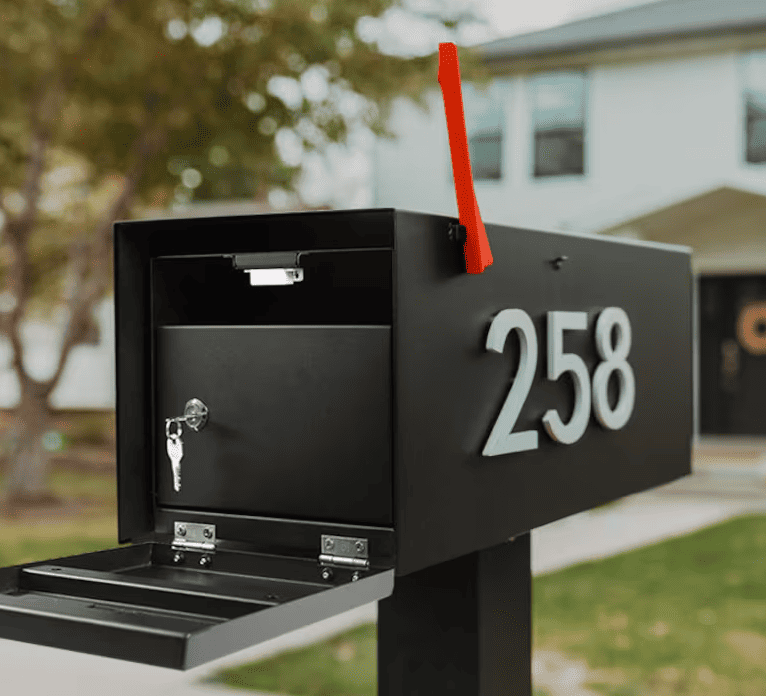
Mailbox locks come in various designs, each suited for specific mailbox types and security requirements. Their primary function is to ensure only authorized users can access the mail compartment. The choice of lock depends on the mailbox structure — wall-mounted, cluster box, or standalone post-mounted models all use different mechanisms.
These are the most widely used locks in residential mailboxes. A cam lock features a rotating arm or “cam” that secures the mailbox door when turned by a key. They’re simple, reliable, and easy to replace, making them a popular option for both homeowners and property managers.
Found in higher-security mailboxes or commercial settings, deadbolt locks provide an additional layer of protection. They are sturdier and harder to pick, ideal for environments where mail theft is a concern.
For convenience and key-free operation, combination locks use a numerical code instead of a traditional key. These are becoming increasingly common in modern and multi-unit mail systems where several users may need access.
Smart mailboxes with digital locking systems are also on the rise. These locks can be opened via Bluetooth or smartphone apps, offering a sophisticated level of security and convenience for tech-savvy users.
Regardless of type, the lock’s condition determines how well your mailbox performs its job. When your lock starts jamming, rusting, or spinning loosely, it’s a clear sign that replacement or maintenance is due.
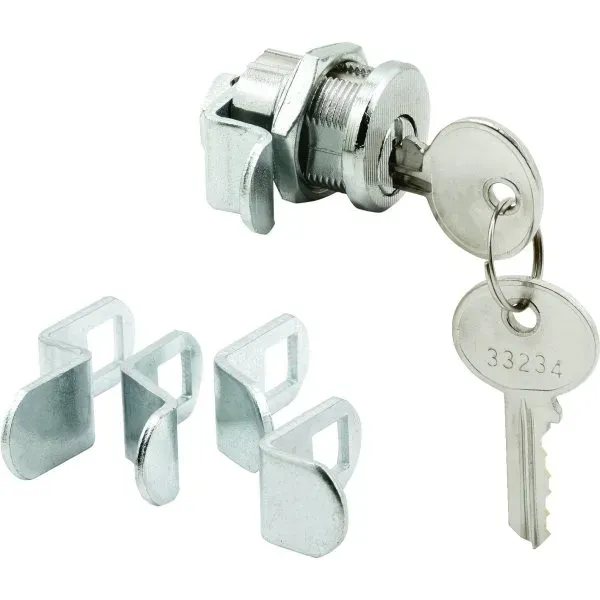
Like all mechanical components, mailbox locks have a finite lifespan. Replacing your lock at the right time ensures continuous protection for your mail and sensitive information. Here are a few telltale signs that your mailbox lock needs attention:
Lost or Stolen Keys: If you misplace your mailbox key, replacing the entire lock is the safest way to prevent unauthorized access.
Difficulty Turning the Key: A stiff or jammed key is often a symptom of internal rust or worn components.
Visible Rust or Corrosion: Moisture can cause internal parts to corrode, weakening the mechanism.
Spinning Lock Cylinder: When the lock cylinder rotates freely without engaging, internal parts are likely damaged.
Tampering Marks: Scratches, dents, or bent components around the lock area could indicate attempted theft.
Timely replacement not only restores functionality but also enhances the overall security of your mailbox.
Armed with the right tools and some patience, replacing a mailbox lock can be a straightforward DIY project. Below is a detailed guide to walk you through the process safely and efficiently.
Tools You’ll Need:
Screwdriver set (flathead and Phillips)
Pliers
Replacement lock (compatible with your mailbox model)
Lubricant (like WD-40)
Protective gloves (optional)
Before removing the old lock, determine its type — cam, deadbolt, or combination. This helps you purchase a compatible replacement and understand the removal process. If you’re unsure, check your mailbox manufacturer’s model specifications or consult a locksmith.
If you still have your key, simply unlock and open the mailbox. However, if you’ve lost the key or it no longer works, a professional locksmith can help you open it without damaging the box.
Locate the retaining clip or nut holding the lock in place. Using pliers or a screwdriver, carefully remove the securing hardware. If the lock is corroded, apply a small amount of lubricant to loosen it. Once the hardware is removed, gently slide out the old lock from the slot.
Insert the new lock through the mounting hole. Make sure the cam or latch aligns with the strike plate or locking point. Secure the lock with the retaining clip or nut provided in the kit. Tighten it enough to hold firmly but avoid overtightening, which could damage the mechanism.
Close the mailbox door and lock it using the new key. Open and close it several times to ensure smooth operation and proper alignment. If the lock feels stiff, apply a light coating of lubricant.
Replacing your mailbox lock shouldn’t take more than 15–20 minutes, and the added peace of mind is well worth the effort.
Even with regular care, mailbox locks can develop issues over time. Below are some common problems and simple solutions to help you maintain your lock’s performance.
If your lock won’t turn, the culprit might be a worn-out key or internal dirt buildup. Try the following:
Spray a small amount of graphite or lock lubricant into the keyhole.
Check if the key is bent or damaged and, if so, have a duplicate made.
If the problem persists, disassemble the lock to clean it thoroughly or replace it.
Sometimes, the locking mechanism itself may be slightly misaligned. A quick adjustment of the latch position can often restore normal function without needing a full replacement.
Rust is a common issue, especially in outdoor mailboxes. Moisture and humidity accelerate corrosion, making locks stiff and hard to operate.
Preventive measures include:
Regularly cleaning and drying the lock area.
Applying a rust inhibitor or silicone-based lubricant.
Opting for weather-resistant locks made of stainless steel or zinc alloy in coastal or humid environments.
A few minutes of preventive care can save you from costly replacements later.
A spinning lock cylinder typically signals that the retaining nut or clip is loose. Tighten these components to secure the lock. If the issue continues, the housing itself might be stripped or damaged, requiring replacement.
If your mailbox door doesn’t close properly, the lock and latch might be misaligned. Loosen the mounting screws slightly, reposition the lock, and retighten. Periodically checking alignment can prevent long-term issues and ensure consistent security.
Selecting the right lock can make a significant difference in preventing unauthorized access. Consider these factors when choosing your next mailbox lock:
These locks are built with advanced mechanisms to resist picking, drilling, and prying attempts. They often feature hardened steel cores and anti-tamper designs, providing a robust layer of protection against theft.
For areas with higher risk of tampering, reinforced locks with heavy-duty components are ideal. These provide better durability and are less likely to fail under force.
Keyed Locks are traditional and reliable. They’re easy to use but require safe key management.
Keyless or Combination Locks offer convenience without the hassle of keys. They’re great for shared mailboxes or users who prefer a quick-access setup.
Choose materials like stainless steel, aluminum, or brass for corrosion resistance. A weatherproof finish will further protect your lock from rust and environmental damage.
Always ensure that your new lock fits the existing mailbox design. Check dimensions, mounting hole size, and lock type before purchase.
To maximize your mailbox lock’s lifespan and performance, adopt these maintenance habits:
Regular Cleaning: Use a soft brush to remove dust and debris from the keyhole.
Lubricate Periodically: Apply a dry graphite or silicone lubricant every few months.
Check Alignment: Ensure the latch and door close smoothly without resistance.
Inspect for Rust: Address early signs of corrosion before they spread.
Replace Keys: Worn or bent keys can damage internal lock components — replace them as soon as they show wear.
Routine upkeep takes only a few minutes but greatly extends the lock’s reliability.
Mail theft is a growing concern, particularly in densely populated areas. Stolen mail can lead to identity theft, financial loss, or privacy breaches. Since mailboxes are often exposed outdoors and left unattended, they’re easy targets for opportunistic thieves.
Upgrading to a stronger mailbox lock or maintaining your existing one can deter such attempts. For added protection, consider:
Installing mailboxes with anti-pry features.
Choosing tamper-evident locks.
Ensuring your mailbox location has good visibility or lighting.
By reinforcing your mailbox’s physical security, you safeguard not only your letters and parcels but also your personal identity.
Your mailbox lock is a small yet essential component of your home or office security. Understanding how it works, recognizing when it needs attention, and knowing how to replace or maintain it properly can go a long way toward protecting your private information.
Whether you opt for a simple cam lock or an advanced digital one, the goal remains the same — ensuring that your mail is accessible only to you. With proper installation, regular maintenance, and timely replacements, your mailbox lock can provide years of reliable service, giving you peace of mind every time you check your mail.